Source Adjustable Rings for Jewelry, Industrial, and Medical Uses
Find 30 adjustable rings suitable for wedding gifts, industrial seals, and medical applications. Compare stainless steel and rubber options with custom sizes and IP55 ratings to meet diverse sourcing needs; compare the available evidence and request quotations based on your requirements.
Key considerations
Products List





Comprehensive Sourcing Guide
Adjustable Rings Sourcing Guide
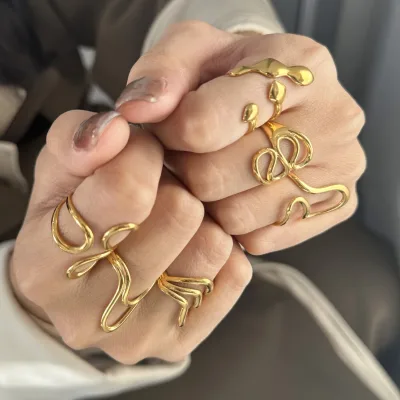
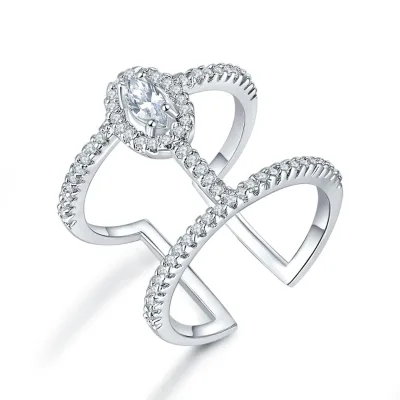
The market for adjustable rings presents a diverse landscape where procurement decisions hinge on distinguishing between decorative fashion items and functional industrial components. Buyers must first clarify whether the requirement is for a stainless steel inlaid ring intended for wedding or daily wear, or a specialized elastomeric seal designed for medical, agricultural, or industrial applications. The observed product data reveals distinct categories, including fashion rings with gold finishes and O-ring seals made from materials like NBR, EPDM, or silicone, each serving entirely different operational needs.
Procurement strategies must account for the significant variance in customization capabilities and production models observed across listings. While some suppliers offer OEM services for fashion jewelry with specific model numbers like SUNWELL 1710, others provide industrial seals with customizable dimensions ranging from 16mm to 32mm or universal knockouts. Understanding these divergent product scopes is critical before initiating contact, as the technical verification steps and compliance requirements for a fashion accessory differ fundamentally from those required for a high-performance industrial seal.
Product Scope and Observed Listing Signals
Buyers should scrutinize the specific product attributes listed to ensure alignment with the intended application, as the data shows a clear split between consumer goods and industrial hardware. For fashion applications, the observed listings highlight attributes such as "Inlaid Ring," "Gold" color, and usage for "Wedding" or "Anniversary," often packaged in cartons or wooden cases. In contrast, industrial listings emphasize material compositions like "Stainless Steel" or "NBR," with applications spanning "Medical," "Electronic," and "Vehicle" sectors, requiring a different evaluation of durability and chemical resistance.
The observed listing signals also indicate a wide range of packaging and logistical parameters that impact the total cost of ownership. Some products are shipped in simple plastic bags or cartons, while others utilize wooden cases or palletized arrangements for bulk industrial orders. Buyers must verify if the packaging method, such as "Carton Then in Pallet," matches their storage and handling capabilities, and confirm if the supplier accepts custom packaging requirements to prevent damage during transit or to meet specific branding needs.
Technical Specifications to Verify
Technical verification begins with confirming the precise dimensional standards and material compositions required for the specific use case. For industrial seals, the data points to specific model numbers like PPL-R26032026 and size ranges such as 16mm-32mm, alongside material options including Cr, SBR, and Sil. Buyers must explicitly request test data or material certificates to validate that the supplied elastomers meet the necessary chemical resistance and temperature tolerance for their specific environment, rather than relying on generic descriptions.
For decorative or structural components, verification must focus on physical attributes like the "O-Ring" shape, gang configurations, and IP ratings where applicable. The observed data mentions IP55 ratings and universal 1/2 and 3/4 inch knockouts, which are critical for electrical or enclosure applications. Procurement teams should demand detailed drawings or samples to confirm that the "Hot DIP Coil" galvanization or stainless steel construction meets the corrosion resistance standards required for the intended installation environment.
Compliance and Safety Documentation
Compliance verification is essential to ensure that products meet the regulatory standards of the destination market, particularly for items used in medical or industrial settings. The supplied facts mention ISO certification as a potential attribute, but buyers must explicitly request valid, current certificates for ISO 9001 or other relevant standards rather than assuming compliance based on general claims. It is crucial to verify that the supplier's quality management system covers the specific production lines for the ordered items, ensuring consistent adherence to safety and performance protocols.
Safety documentation must also address material safety data sheets (MSDS) and chemical compliance, especially for elastomeric products used in food, medical, or automotive applications. Buyers should require proof that materials like NBR, EPDM, or silicone are free from prohibited substances and meet local environmental regulations. Without explicit documentation confirming that the "Products Materiall" meets these strict criteria, the risk of regulatory non-compliance and potential product recalls remains unacceptably high for professional procurement.
Cost Drivers and Commercial Terms
Cost structures for adjustable rings are heavily influenced by the complexity of customization and the volume of the order, as evidenced by the observed MOQ ranges from 1 to 300,000 units. Buyers must analyze whether the low minimum order quantities observed for fashion items align with their inventory strategy or if they need to negotiate higher volumes to achieve better unit pricing for industrial components. The price range of 0.01 to 400 USD indicates a vast disparity, requiring a clear definition of quality tiers to avoid confusion between low-cost fashion pieces and high-specification industrial seals.
Commercial terms must be carefully negotiated to account for lead times and capacity constraints, which vary significantly based on the design complexity. The observed lead time of 15-20 days is a reference point that depends on the specific design requirements, and buyers should confirm if this timeline holds for custom orders or if it applies only to stock items. Additionally, capacity limits of 100,000 pieces per month should be factored into production planning to ensure that the supplier can meet demand spikes without compromising delivery schedules or quality standards.
Supplier Qualification and Quality Control
Supplier qualification requires a rigorous assessment of their manufacturing capacity and quality control processes, particularly given the diverse product origins observed in the data. Buyers should verify the specific production locations, such as Xiamen or Qinhuangdao City, and assess the logistical implications of sourcing from these regions. It is vital to confirm that the supplier has the infrastructure to handle both small-batch custom orders and large-scale production runs, ensuring that the "Capacity" claims are backed by actual factory resources and workforce stability.
Quality control protocols must be established to monitor consistency across batches, especially for products with critical performance attributes like IP ratings or material composition. Buyers should implement a pre-shipment inspection plan that verifies the "Customization" features, such as logo acceptance and color customization, against the approved samples. Establishing clear acceptance criteria for defects and ensuring the supplier has a robust process for handling non-conforming products is essential to maintain the integrity of the supply chain.
Long-Term Procurement Checks
Long-term procurement success depends on establishing a framework for continuous performance monitoring and relationship management with the supplier. Buyers should schedule regular reviews of the supplier's ability to maintain consistent lead times and quality levels, particularly as order volumes increase or design specifications evolve. It is important to track the supplier's responsiveness to design changes and their ability to adapt to market fluctuations, ensuring that the partnership remains resilient against external disruptions.
Sustainability and supply chain transparency should also be integrated into long-term checks, given the increasing demand for ethical sourcing and environmental compliance. Buyers must periodically verify that the supplier continues to adhere to relevant environmental standards and that their material sourcing practices remain consistent with corporate social responsibility goals. By maintaining open communication channels and conducting periodic audits, organizations can ensure that their procurement of adjustable rings remains aligned with both operational efficiency and broader strategic objectives.
FAQs
What customization options are available for adjustable rings?
Customization is available for adjustable rings to meet specific buyer needs. You can request changes to the product model, size, and color based on your design requirements. The supplier accepts OEM orders and can adapt the packing method to your specifications. This flexibility ensures the final product aligns perfectly with your project goals.
Which certifications do the adjustable ring manufacturers hold?
The manufacturers hold ISO certification for their adjustable ring production processes. This standard ensures quality management systems are in place for consistent output. Buyers can verify these credentials when selecting a supplier for their bulk orders. The certification supports reliability and adherence to international manufacturing standards.
How long is the lead time for custom adjustable ring orders?
The lead time for custom adjustable ring orders typically ranges from 15 to 20 days. This duration depends on your specific design requirements and the complexity of the customization. The supplier confirms this timeframe as a reference for planning your procurement schedule effectively.
Can I find adjustable rings with specific IP ratings?
Yes, you can find adjustable rings with an IP55 rating for specific applications. This rating indicates protection against dust and water jets, suitable for various environments. The product specifications list this feature clearly for buyers requiring durable and weather-resistant components.
What is the minimum order quantity for adjustable rings?
The minimum order quantity for adjustable rings starts at 1 unit and can go up to 300,000 units. This wide range accommodates both small trial orders and large-scale industrial procurement needs. Buyers should check specific product listings to confirm the exact MOQ for their selected model.
Where are the adjustable ring factories located?
The adjustable ring factories are located in China, specifically in Xiamen and Qinhuangdao City. These regions are known for their manufacturing capabilities and supply chain efficiency. Buyers can source directly from these locations to ensure timely delivery and competitive pricing.
What materials are used to make the adjustable rings?
Adjustable rings are made from materials like stainless steel, NBR, Cr, SBR, Sil, and EPDM. The choice of material depends on the specific application, such as medical, industrial, or household use. These materials offer durability and resistance suitable for various demanding environments.